

Better Vision Takes More Than a Prescription.
We look beyond the prescription to understand your eyes, your eyewear, and how you use your vision—then guide you toward a solution that fits your life.
$139
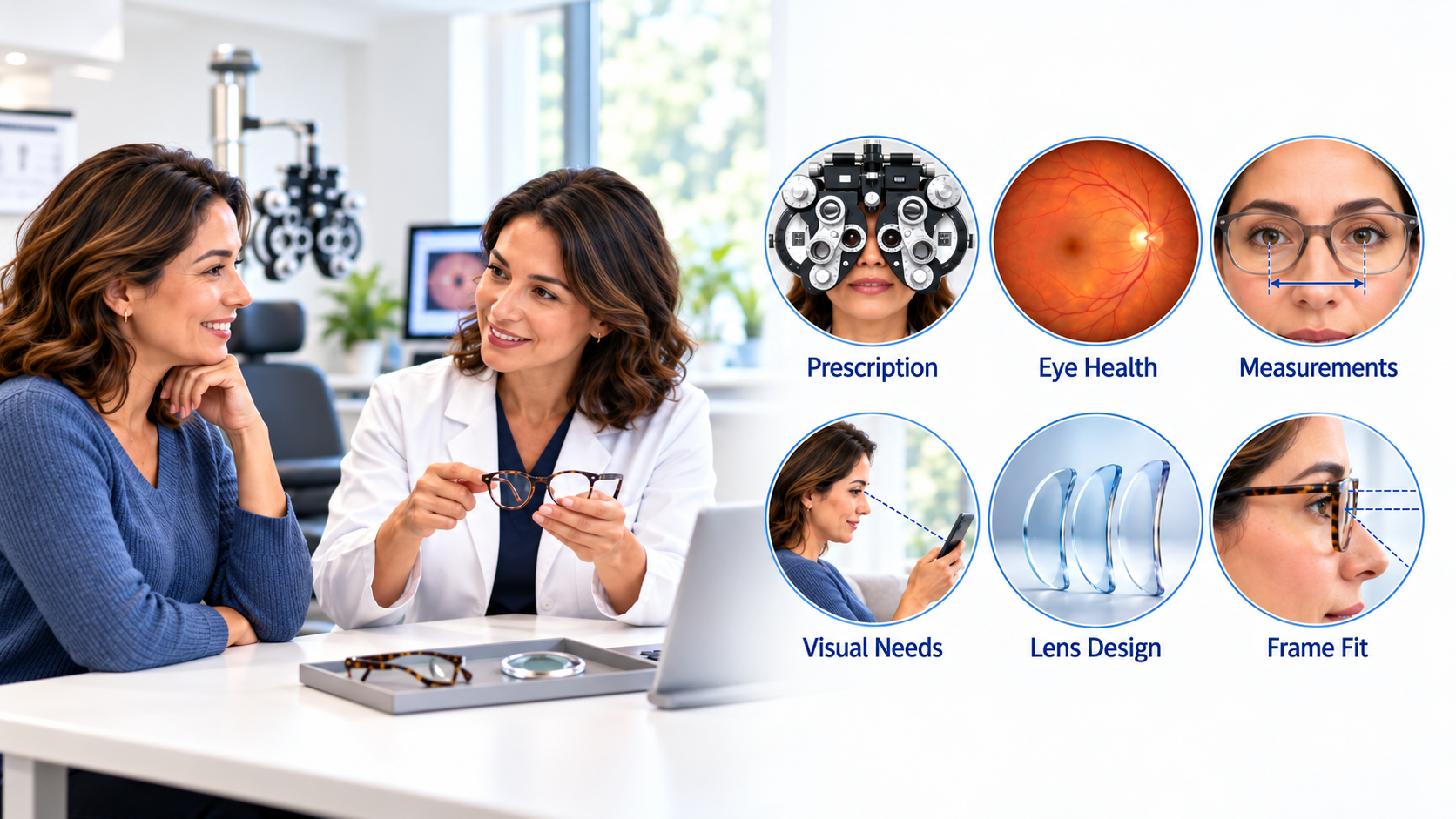
ComprehensiveEye Examination
Advanced technology,personal attentionand clear pricing.
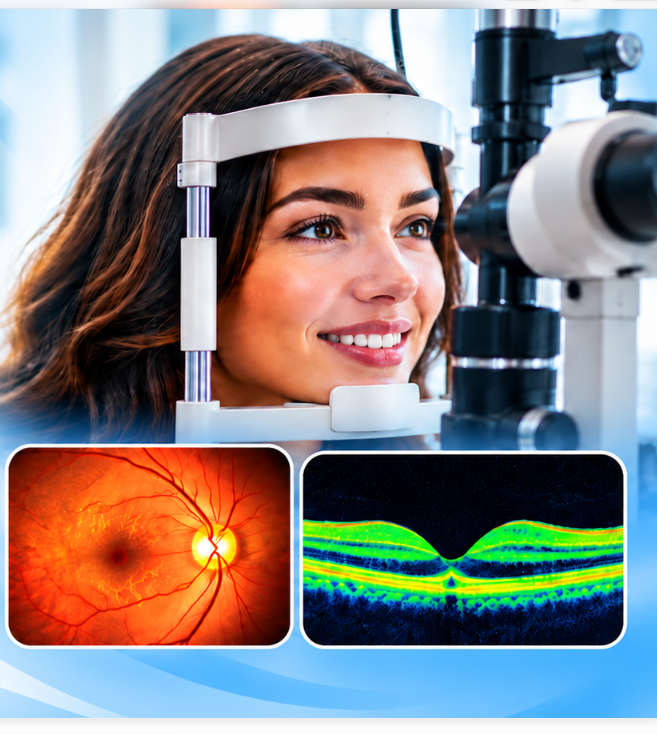
Included With Your Exam
$139 applies to patients paying without vision insurance. Routine retinal imaging and OCT screening are included at no additional charge. Contact lens evaluations and separately indicated diagnostic testing are billed separately when performed.
What If There’s More to Better Vision Than You’ve Been Told?
Six discoveries that can change how you think about your vision.

Different working distances
Your phone, monitor, and reading material may sit at different distances. Those distances matter.
Take a closer look →
Same prescription.
Different experience.
Lens design, material, measurements, and frame fit can change how glasses feel.
Take a closer look →
Progressives have viewing areas
Distance, intermediate, and near vision use different areas of a progressive lens.
Take a closer look →
Old glasses may feel better
Old glasses feel better? Let’s understand what changed.
Take a closer look →
Contacts can filter light, too
Some contact lenses offer blue-violet-light filtering. Ask about options for your needs.
Take a closer look →
Blur may involve your eyes
The cause of blurry vision may involve eye-health factors as well as your eyewear.
Take a closer look →New Glasses Don’t Feel Right?
We don’t assume the glasses are the problem.
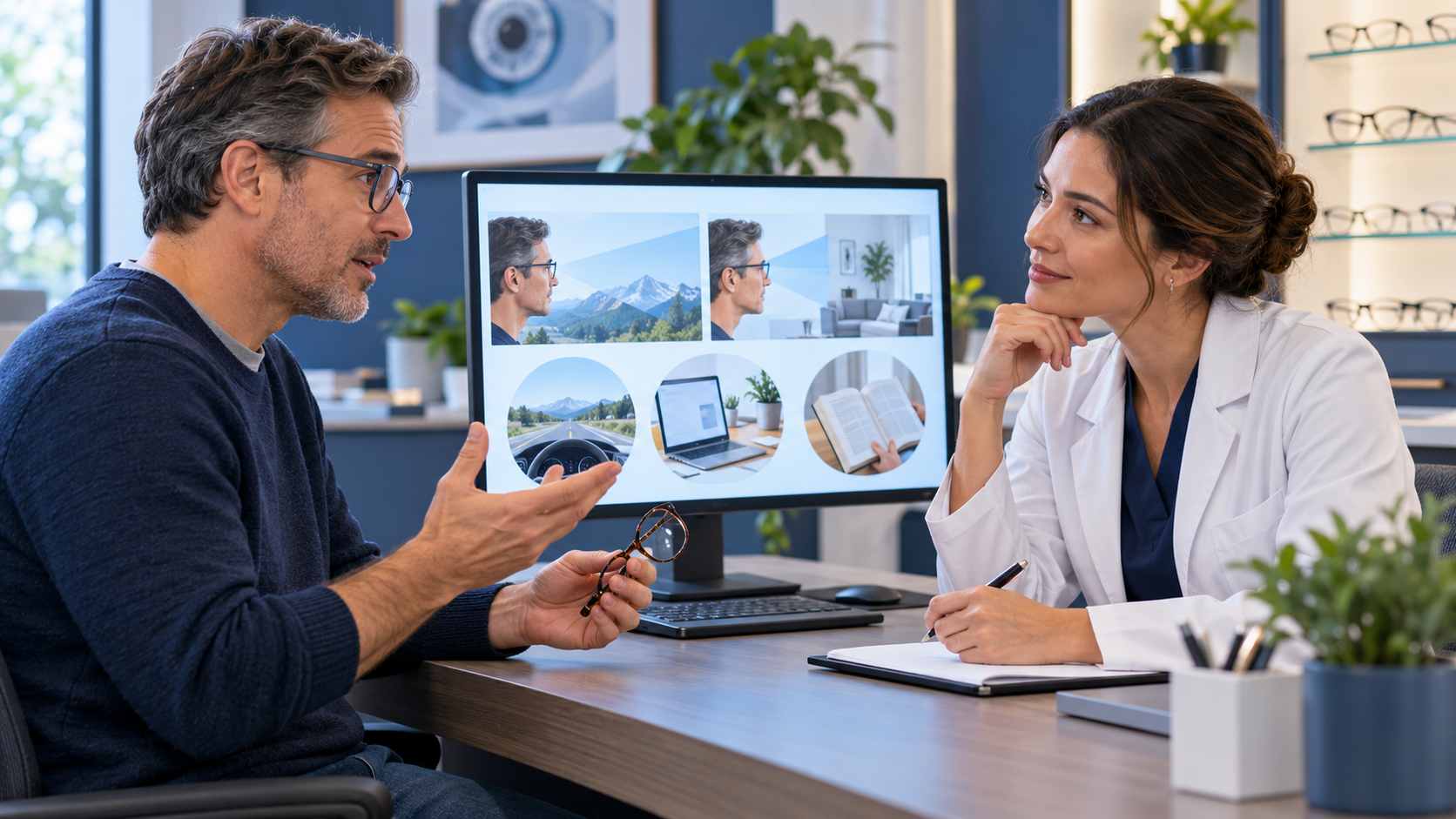
We investigate the pieces that may be affecting your vision and compare what changed.
Your vision and experience
- Your eyes
- Your prescription
- Working distances
- Previous glasses
Your lenses and fit
- Lens powers, design + material
- Optical measurements
- Frame position
Find the likely cause → Understand your options.
Your Vision Should Fit the Way You Actually Live.
Your phone, computer, reading, driving, and other activities place different demands on your eyes. When relevant, we measure your actual eye-to-phone, eye-to-monitor, and reading distances to help guide the prescription and lens design.
+ lens design
The Prescription Is Only One Part of Your Glasses.
The same prescription can produce different visual experiences. Lens material, design, measurements, frame, fit, and lens curve can all matter.

Frame choice and fit are part of how your glasses work.

Progressive glasses for distance, computer work, and reading.
The starting point for correcting your vision.
How viewing areas and optics are arranged.
The material and optical properties of the lens.
Where the lens lines up with your eyes.
How the glasses sit and stay in position.
The curvature of the lenses
can affect the adaptation of new glasses
Fewer Choices. Better Choices.
A thoughtful selection starts with your prescription, fit, features, and personal style.
We help narrow the choices, compare what matters, and refine the fit.

We listen to you → We narrow the options → We compare → We refine the fit
You May Have More Contact-Lens Options Than You Realize.
Your prescription, comfort, and daily routine help us choose which options to explore with you.

Good Vision Care Starts With Asking the Right Questions.
Dr. Eric Verret’s approach begins with understanding what you’re actually experiencing, how you use your vision, and what you’re trying to accomplish. Measurements matter—but so does understanding the person behind them.
The goal isn’t simply to find a prescription.
It’s to understand what will help you see better in your life.
Looking Beyond the Prescription Also Means Looking at the Health of Your Eyes.
Changes in vision aren’t always caused by a change in prescription.
Evaluating the health of your eyes helps us understand whether something else may be affecting how you see.

Surface
The front of the eye and ocular surface.
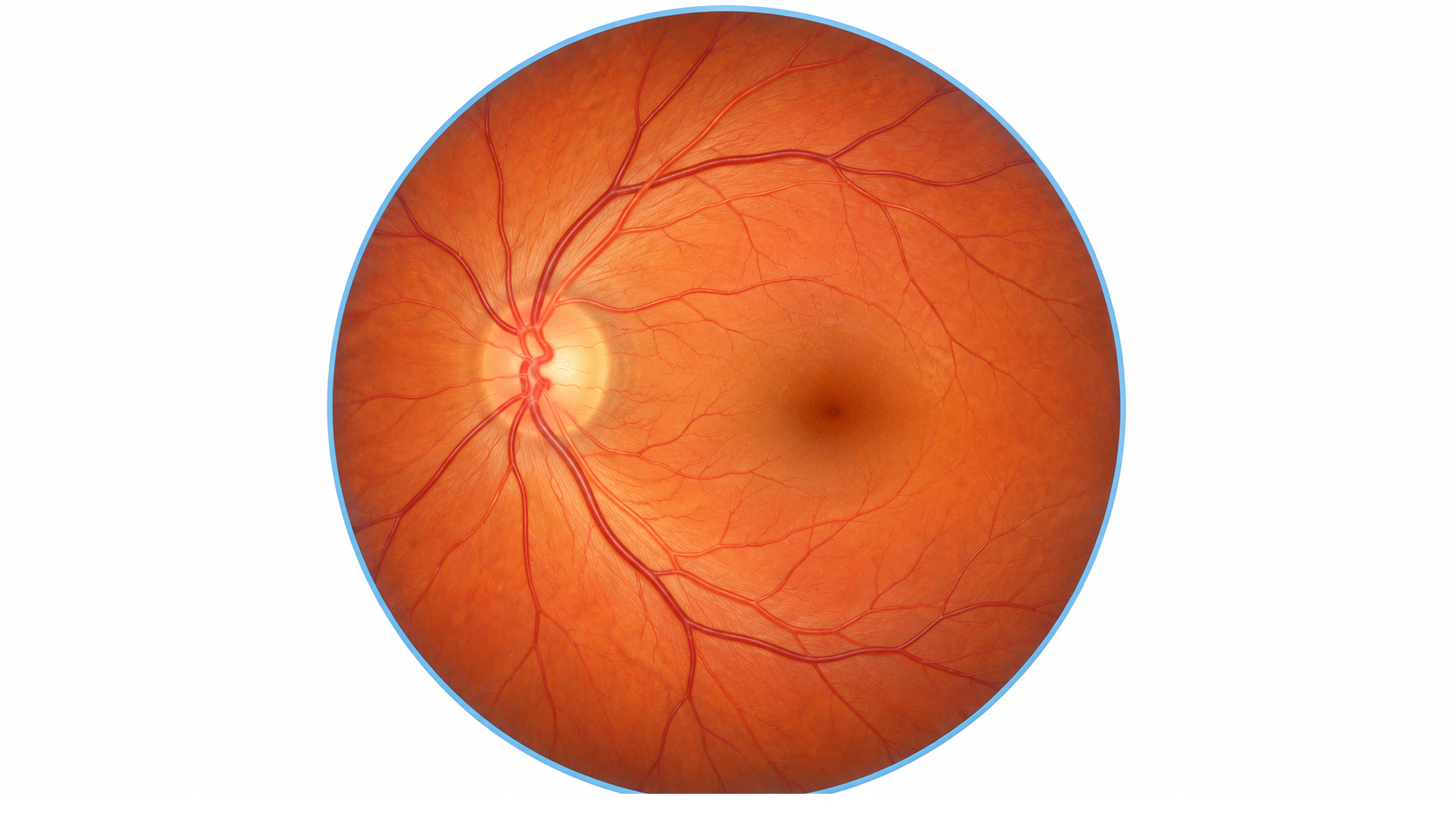
Inside the eye
The retina and other structures involved in vision.
From the eye’s surface to the retina.
What Patients Notice.
Patient perspectives on care, explanations, and their experience at Escondido Eyecare.
Clear explanations
“Very informative about the process start to finish.”
Helpful staff and communication
“The staff were all so helpful and pleasant.
Great communication and glasses selection.”